
Products are for professional/laboratory use only.
Q: Our lab wants to switch to xylene substitutes. Can they be recycled?
Actually, xylene substitutes are easier to recycle than xylene. Their higher boiling points make it easier to separate from the contaminants.
The primary reason for using a xylene substitute is that they have much lower toxicity than xylene. Unfortunately, they are much more expensive than xylene. A lot of labs can’t afford the high cost.
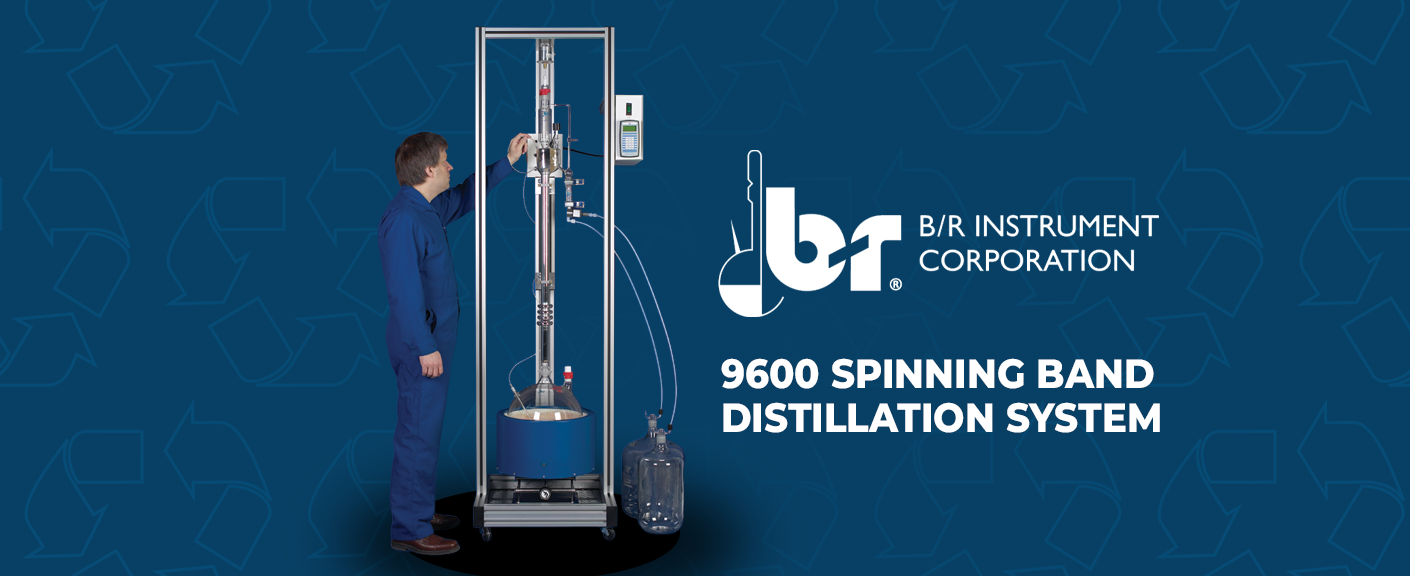
Xylene substitutes and solvent recyclers – a winning combination!
Labs can overcome the high cost of xylene substitutes by recycling them. Enjoy the benefit of lower toxicity without the high ongoing cost of constantly buying higher priced xylene substitutes.
Recycling xylene substitutes is a win – win – win situation.
- WIN – You win because the workplace is safer.
- WIN – The facility wins because you are saving money.
- WIN – The environment wins because you’ve cut your waste solvent generation by 95%.
That’s a lot of winning!
Interested in recycling xylene substitutes?
Do you recommend a specific xylene substitute?
Different labs have different preferences. A frequent favorite is Anatech’s Pro-Par Clearant. It’s low toxicity, low odour and quick evaporation has made it popular among labs using xylene substitutes.
Find out more about recycling Xylene substitutes
f
Article originally posted on BR Instrument website blog.